2023 ・ Operations ・ Information Architecture ・ No-code Dev

No-code Operational Infrastructure

Eliminating Information Silos during Organisational Transition

  • Timeline

    Jul – Aug 2023, 2 months

  • Role

    End-to-End Product Design and No-code Development

  • Team

    2-person Squad (Collaborated with R&D Researcher)

  • Constraint

    Zero Engineering Resource (100% Allocation to Next-gen LMS)

About the Company

Code States

A leading EdTech firm in Korea providing B2G (Government-funded) and B2B IT training bootcamps. The company bridges the skills gap by connecting aspiring developers with careers, managing complex academic operations for intensive training programmes.

Context & Challenge

Cost of Fragmentation

Following rapid growth, the organisation transitioned from programme-based squads to functional units. This structural pivot exposed the inefficiency of human-dependent workflows. Previously, gaining visibility required contacting individual Programme Leads, a manual process that became unscalable post-restructuring.

Frictions

Information LatencyLeaders had to aggregate data from multiple departments manually to grasp resource allocation, projecting a doubling of communication overhead.

Compliance RiskManaging instructor PII (Personally Identifiable Information) via scattered spreadsheets posed a security risk that required a systematic solution despite zero available engineering resources.

Strategy

Systematisation over Administration

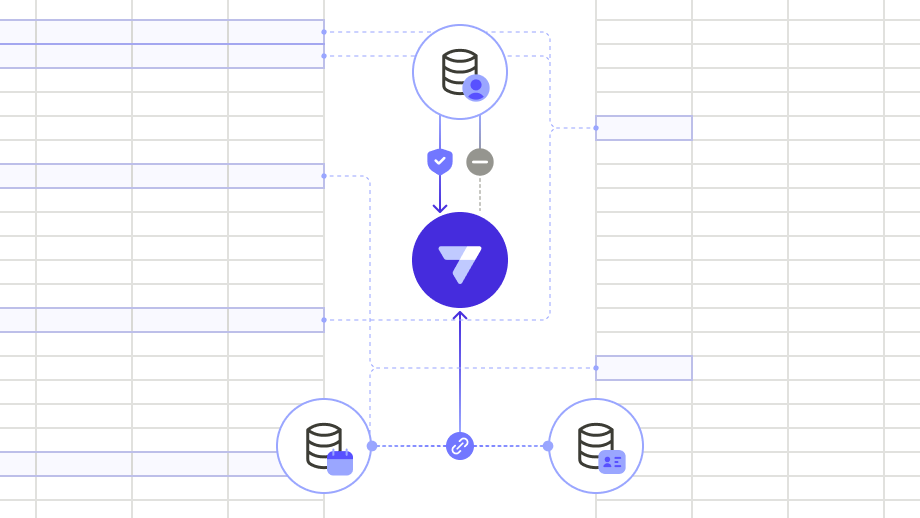
The research identified structural data fragmentation within scattered information sources as the root cause of latency and risk. Moving beyond manual process management, the focus shifted to architecting a scalable “data container” by synthesising R&D insights. This approach translated qualitative business rules into a structural relational schema.

To meet these architectural needs within the company’s existing Google ecosystem, Google AppSheet was selected to deliver a secure, production-ready infrastructure within the existing ecosystem, bypassing the engineering bottleneck while ensuring immediate scalability.

Solution

Building a Resilient Infrastructure

Relational Data Modelling (RDB)

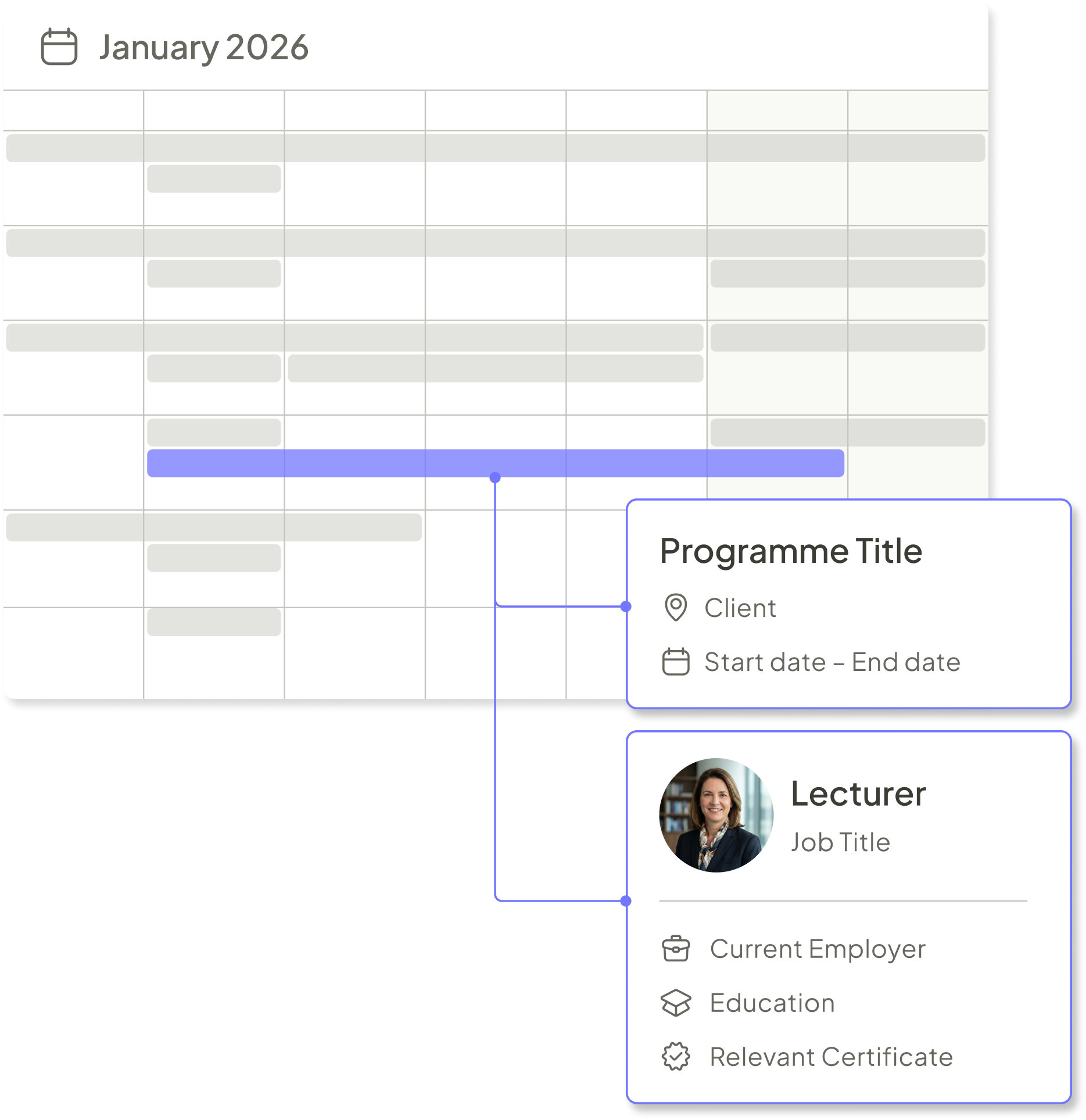
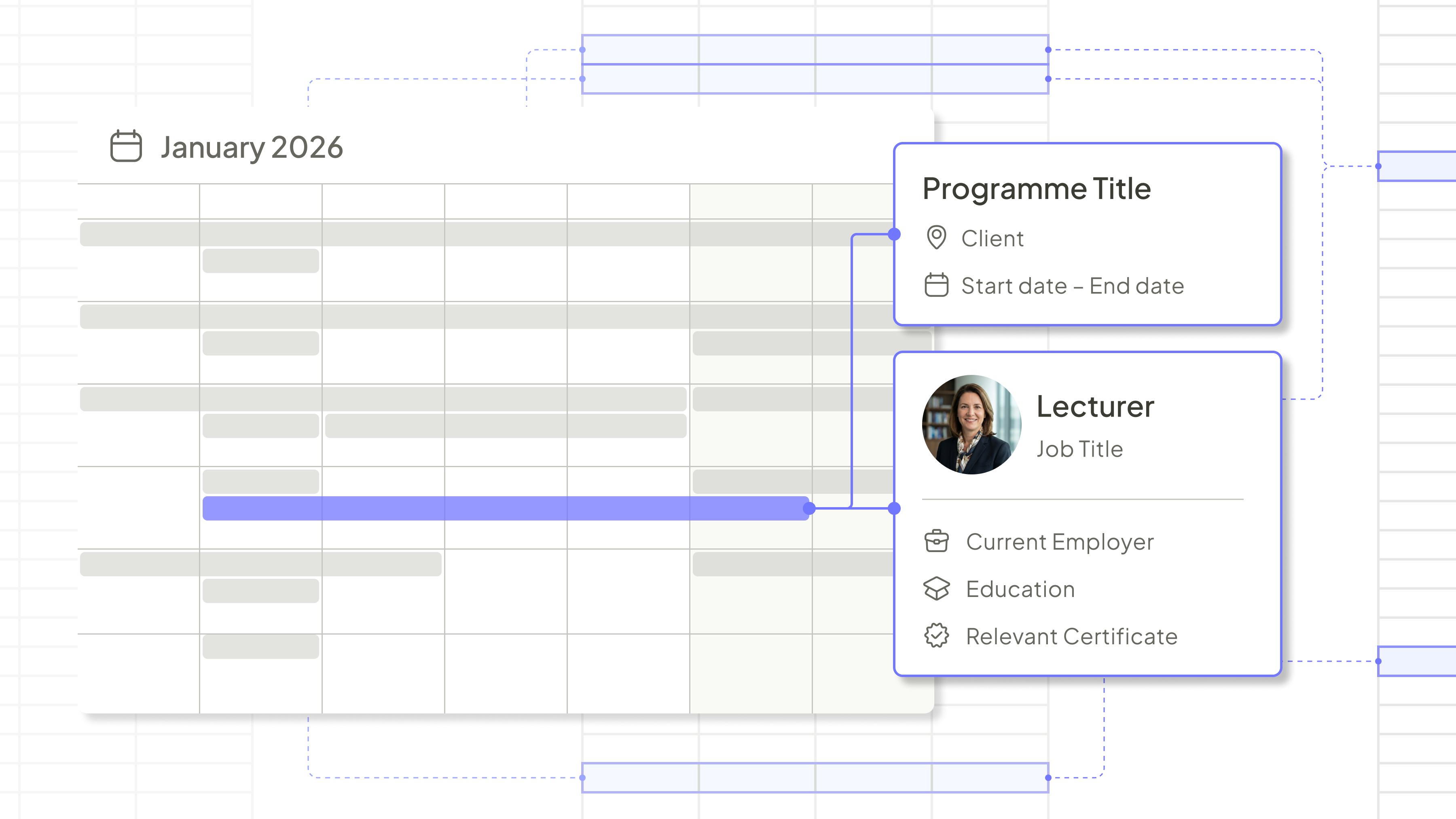
From disconnected sheets to single source of truth: Architected a relational database linking programme data with instructor profiles, ensuring data integrity scaled with business expansion.

Compliance-Driven RBAC

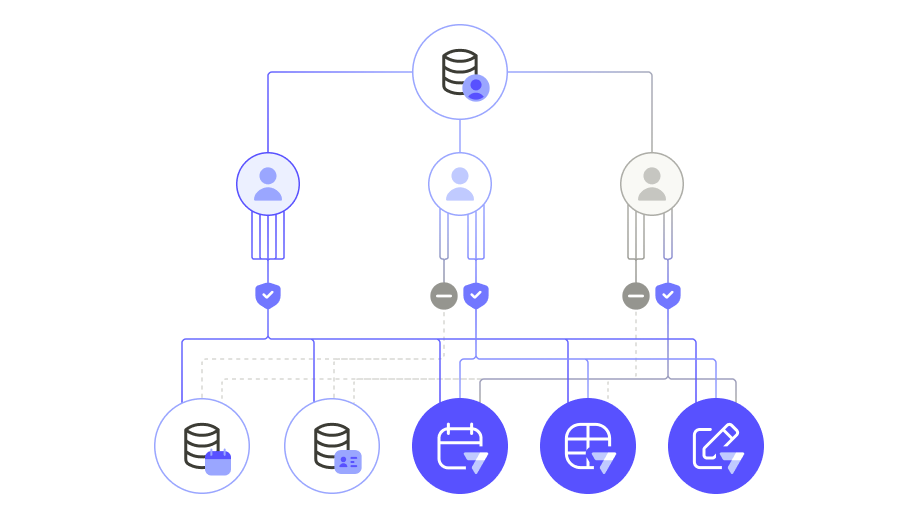
From manual oversight to systematic security: Implemented Role-Based Access Control (RBAC) at the database level. This transformed a legal constraint (PIPA) into a core product feature, ensuring data access was dynamically tailored to user positions.

Phased Roadmap and Adoption

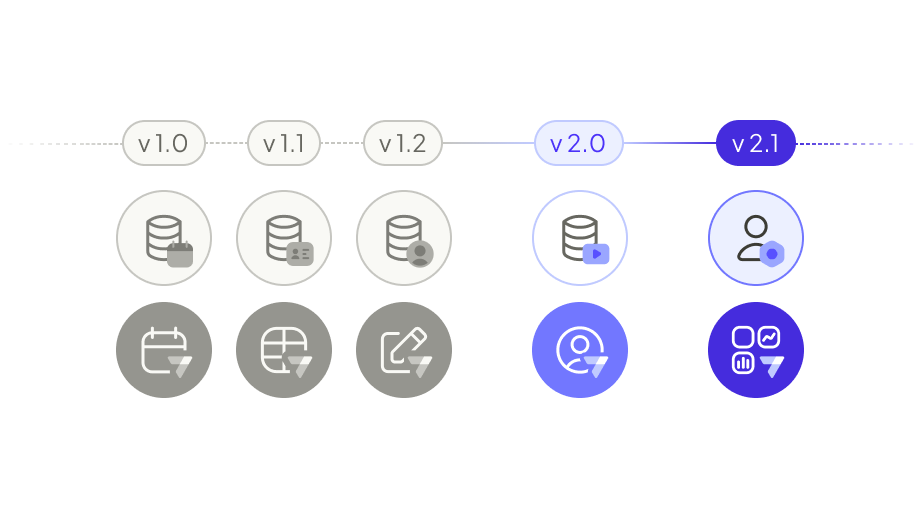
From tool fatigue to workflow consolidation: To overcome resistance, the tool was positioned as a workflow simplifier within the familiar Google ecosystem, launching a high-impact MVP first to secure leadership buy-in.

Impact & Reflection

Ensuring Business Continuity

The project successfully established a resilient operational system that sustained business continuity without additional development costs.

For LeadershipUnlocked real-time visibility into resource allocation, eliminating the need for manual status checks and accelerating decision-making.

For OperationsProvided a unified, secure interface for PII management, minimising manual errors and compliance risks.

Limitations & Lessons

While my transition prevented long-term tracking, immediate adoption validated the logic. This taught me to design for autonomy, ensuring the architecture is transparent enough for the organisation to scale independently.

Reflection

This experience reinforced a conviction that data architecture sustaining business logic is as critical as the interface itself. It empowered a capability to lead high-level feasibility discussions with engineers and drive structural problem-solving throughout the product lifecycle.

2023 ・ Operations ・ Information Architecture ・ No-code Dev

No-code Operational Infrastructure

Eliminating Information Silos during Organisational Transition

  • Timeline

    Jul – Aug 2023, 2 months

  • Role

    End-to-End Product Design and No-code Development

  • Team

    2-person Squad (Collaborated with R&D Researcher)

  • Constraint

    Zero Engineering Resource (100% Allocation to Next-gen LMS)
About the Company

Code States

A leading EdTech firm in Korea providing B2G (Government-funded) and B2B IT training bootcamps. The company bridges the skills gap by connecting aspiring developers with careers, managing complex academic operations for intensive training programmes.

Context & Challenge

Cost of Fragmentation

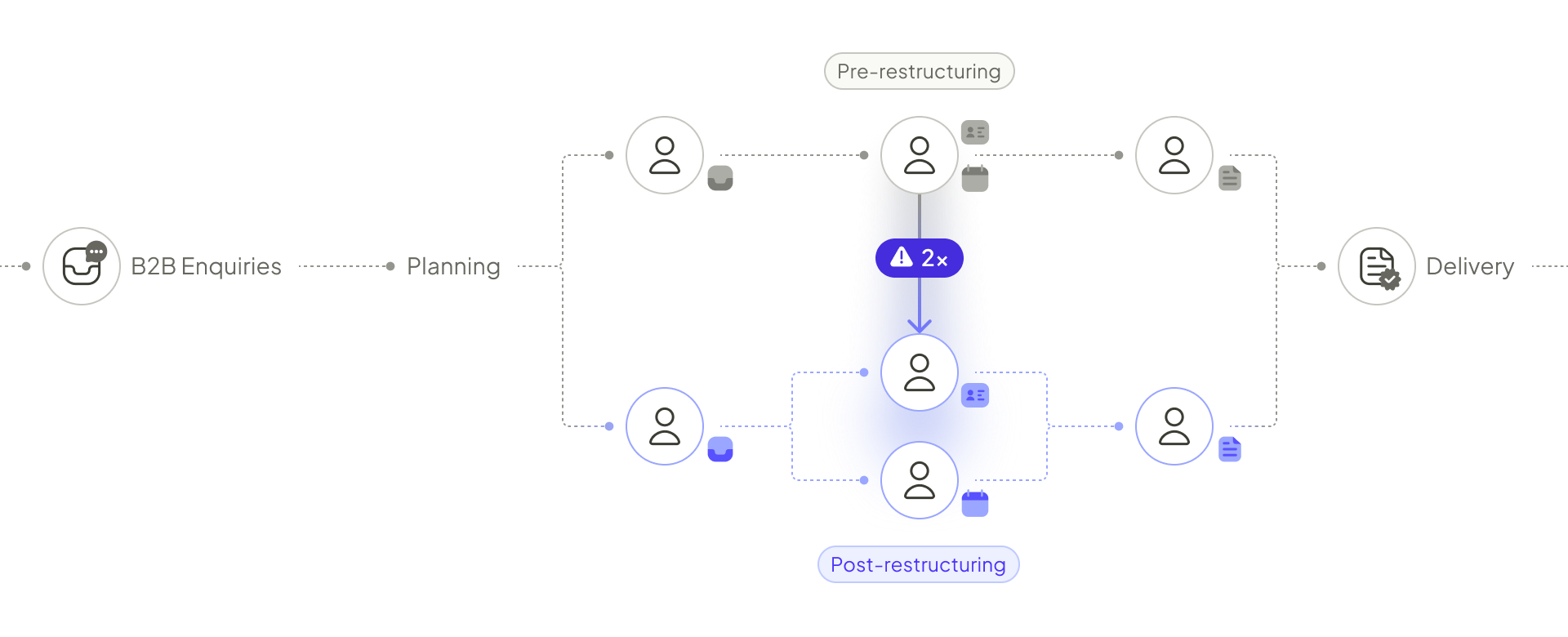
Following rapid growth, the organisation transitioned from programme-based squads to functional units. This structural pivot exposed the inefficiency of human-dependent workflows. Previously, gaining visibility required contacting individual Programme Leads, a manual process that became unscalable post-restructuring.

Frictions

Information LatencyLeaders had to aggregate data from multiple departments manually to grasp resource allocation, projecting a doubling of communication overhead.

Compliance RiskManaging instructor PII (Personally Identifiable Information) via scattered spreadsheets posed a security risk that required a systematic solution despite zero available engineering resources.

Strategy

Systematisation over Administration

The research identified structural data fragmentation within scattered information sources as the root cause of latency and risk. Moving beyond manual process management, the focus shifted to architecting a scalable “data container” by synthesising R&D insights. This approach translated qualitative business rules into a structural relational schema.

To meet these architectural needs within the company’s existing Google ecosystem, Google AppSheet was selected to deliver a secure, production-ready infrastructure within the existing ecosystem, bypassing the engineering bottleneck while ensuring immediate scalability.

Solution

Building a Resilient Infrastructure

Relational Data Modelling (RDB)

From disconnected sheets to single source of truth: Architected a relational database linking programme data with instructor profiles, ensuring data integrity scaled with business expansion.

Compliance-Driven RBAC

From manual oversight to systematic security: Implemented Role-Based Access Control (RBAC) at the database level. This transformed a legal constraint (PIPA) into a core product feature, ensuring data access was dynamically tailored to user positions.

Phased Roadmap and Adoption

From tool fatigue to workflow consolidation: To overcome resistance, the tool was positioned as a workflow simplifier within the familiar Google ecosystem, launching a high-impact MVP first to secure leadership buy-in.

Impact & Reflection

Ensuring Business Continuity

The project successfully established a resilient operational system that sustained business continuity without additional development costs.

For LeadershipUnlocked real-time visibility into resource allocation, eliminating the need for manual status checks and accelerating decision-making.

For OperationsProvided a unified, secure interface for PII management, minimising manual errors and compliance risks.

Reflection

This experience reinforced a conviction that data architecture sustaining business logic is as critical as the interface itself. It empowered a capability to lead high-level feasibility discussions with engineers and drive structural problem-solving throughout the product lifecycle.

Limitations & Lessons

While my transition prevented long-term tracking, immediate adoption validated the logic. This taught me to design for autonomy, ensuring the architecture is transparent enough for the organisation to scale independently.

2023 ・ Operations ・ Information Architecture ・ No-code Dev

No-code Operational Infrastructure

Eliminating Information Silos during Organisational Transition

  • Timeline

    Jul – Aug 2023, 2 months

  • Role

    End-to-End Product Design and No-code Development

  • Team

    2-person Squad (Collaborated with R&D Researcher)

  • Constraint

    Zero Engineering Resource (100% Allocation to Next-gen LMS)
About the Company

Code States

A leading EdTech firm in Korea providing B2G (Government-funded) and B2B IT training bootcamps. The company bridges the skills gap by connecting aspiring developers with careers, managing complex academic operations for intensive training programmes.

Context & Challenge

Cost of Fragmentation

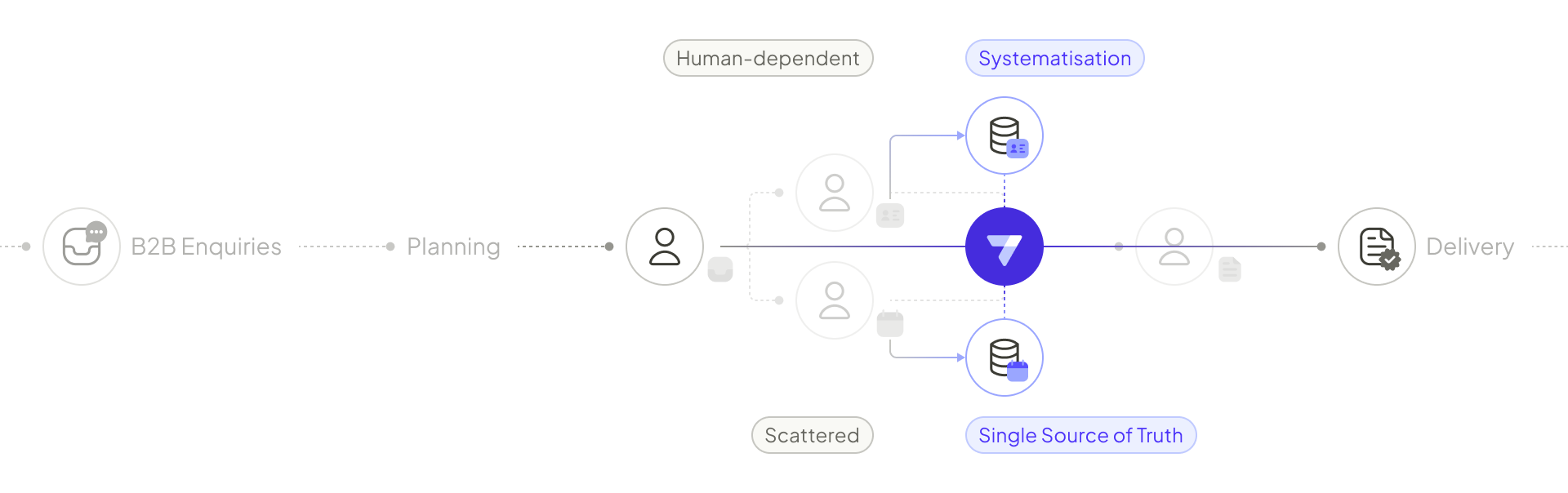
Following rapid growth, the organisation transitioned from programme-based squads to functional units. This structural pivot exposed the inefficiency of human-dependent workflows. Previously, gaining visibility required contacting individual Programme Leads, a manual process that became unscalable post-restructuring.

Frictions

Information LatencyLeaders had to aggregate data from multiple departments manually to grasp resource allocation, projecting a doubling of communication overhead.

Compliance RiskManaging instructor PII (Personally Identifiable Information) via scattered spreadsheets posed a security risk that required a systematic solution despite zero available engineering resources.

Strategy

Systematisation over Administration

The research identified structural data fragmentation within scattered information sources as the root cause of latency and risk. Moving beyond manual process management, the focus shifted to architecting a scalable “data container” by synthesising R&D insights. This approach translated qualitative business rules into a structural relational schema.

To meet these architectural needs within the company’s existing Google ecosystem, Google AppSheet was selected to deliver a secure, production-ready infrastructure within the existing ecosystem, bypassing the engineering bottleneck while ensuring immediate scalability.

Solution

Building a Resilient Infrastructure

Relational Data Modelling (RDB)

From disconnected sheets to single source of truth: Architected a relational database linking programme data with instructor profiles, ensuring data integrity scaled with business expansion.

Compliance-Driven RBAC

From manual oversight to systematic security: Implemented Role-Based Access Control (RBAC) at the database level. This transformed a legal constraint (PIPA) into a core product feature, ensuring data access was dynamically tailored to user positions.

Phased Roadmap and Adoption

From tool fatigue to workflow consolidation: To overcome resistance, the tool was positioned as a workflow simplifier within the familiar Google ecosystem, launching a high-impact MVP first to secure leadership buy-in.

Impact & Reflection

Ensuring Business Continuity

The project successfully established a resilient operational system that sustained business continuity without additional development costs.

For LeadershipUnlocked real-time visibility into resource allocation, eliminating the need for manual status checks and accelerating decision-making.

For OperationsProvided a unified, secure interface for PII management, minimising manual errors and compliance risks.

Limitations & Lessons

While my transition prevented long-term tracking, immediate adoption validated the logic. This taught me to design for autonomy, ensuring the architecture is transparent enough for the organisation to scale independently.

Reflection

This experience reinforced a conviction that data architecture sustaining business logic is as critical as the interface itself. It empowered a capability to lead high-level feasibility discussions with engineers and drive structural problem-solving throughout the product lifecycle.

2023 ・ Operations ・ Information Architecture ・ No-code Dev

No-code Operational Infrastructure

Eliminating Information Silos during Organisational Transition

  • Timeline

    Jul – Aug 2023, 2 months

  • Role

    End-to-End Product Design and No-code Development

  • Team

    2-person Squad (Collaborated with R&D Researcher)

  • Constraint

    Zero Engineering Resource (100% Allocation to Next-gen LMS)
About the Company

Code States

A leading EdTech firm in Korea providing B2G (Government-funded) and B2B IT training bootcamps. The company bridges the skills gap by connecting aspiring developers with careers, managing complex academic operations for intensive training programmes.

Context & Challenge

Cost of Fragmentation

Following rapid growth, the organisation transitioned from programme-based squads to functional units. This structural pivot exposed the inefficiency of human-dependent workflows. Previously, gaining visibility required contacting individual Programme Leads, a manual process that became unscalable post-restructuring.

Frictions

Information LatencyLeaders had to aggregate data from multiple departments manually to grasp resource allocation, projecting a doubling of communication overhead.

Compliance RiskManaging instructor PII (Personally Identifiable Information) via scattered spreadsheets posed a security risk that required a systematic solution despite zero available engineering resources.

Strategy

Systematisation over Administration

The research identified structural data fragmentation within scattered information sources as the root cause of latency and risk. Moving beyond manual process management, the focus shifted to architecting a scalable “data container” by synthesising R&D insights. This approach translated qualitative business rules into a structural relational schema.

To meet these architectural needs within the company’s existing Google ecosystem, Google AppSheet was selected to deliver a secure, production-ready infrastructure within the existing ecosystem, bypassing the engineering bottleneck while ensuring immediate scalability.

Solution

Building a Resilient Infrastructure

Relational Data Modelling (RDB)

From disconnected sheets to single source of truth: Architected a relational database linking programme data with instructor profiles, ensuring data integrity scaled with business expansion.

Compliance-Driven RBAC

From manual oversight to systematic security: Implemented Role-Based Access Control (RBAC) at the database level. This transformed a legal constraint (PIPA) into a core product feature, ensuring data access was dynamically tailored to user positions.

Phased Roadmap and Adoption

From tool fatigue to workflow consolidation: To overcome resistance, the tool was positioned as a workflow simplifier within the familiar Google ecosystem, launching a high-impact MVP first to secure leadership buy-in.

Impact & Reflection

Ensuring Business Continuity

The project successfully established a resilient operational system that sustained business continuity without additional development costs.

For LeadershipUnlocked real-time visibility into resource allocation, eliminating the need for manual status checks and accelerating decision-making.

For OperationsProvided a unified, secure interface for PII management, minimising manual errors and compliance risks.

Reflection

This experience reinforced a conviction that data architecture sustaining business logic is as critical as the interface itself. It empowered a capability to lead high-level feasibility discussions with engineers and drive structural problem-solving throughout the product lifecycle.

Limitations & Lessons

While my transition prevented long-term tracking, immediate adoption validated the logic. This taught me to design for autonomy, ensuring the architecture is transparent enough for the organisation to scale independently.

2023 ・ Operations ・ Information Architecture ・ No-code Dev

No-code Operational Infrastructure

Eliminating Information Silos during Organisational Transition

  • Timeline

    Jul – Aug 2023, 2 months

  • Role

    End-to-End Product Design and No-code Development

  • Team

    2-person Squad (Collaborated with R&D Researcher)

  • Constraint

    Zero Engineering Resource (100% Allocation to Next-gen LMS)
About the Company

Code States

A leading EdTech firm in Korea providing B2G (Government-funded) and B2B IT training bootcamps. The company bridges the skills gap by connecting aspiring developers with careers, managing complex academic operations for intensive training programmes.

Context & Challenge

Cost of Fragmentation

Following rapid growth, the organisation transitioned from programme-based squads to functional units. This structural pivot exposed the inefficiency of human-dependent workflows. Previously, gaining visibility required contacting individual Programme Leads, a manual process that became unscalable post-restructuring.

Frictions

Information LatencyLeaders had to aggregate data from multiple departments manually to grasp resource allocation, projecting a doubling of communication overhead.

Compliance RiskManaging instructor PII (Personally Identifiable Information) via scattered spreadsheets posed a security risk that required a systematic solution despite zero available engineering resources.

Strategy

Systematisation over Administration

  • The research identified structural data fragmentation within scattered information sources as the root cause of latency and risk. Moving beyond manual process management, the focus shifted to architecting a scalable “data container” by synthesising R&D insights. This approach translated qualitative business rules into a structural relational schema.

  • To meet these architectural needs within the company’s existing Google ecosystem, Google AppSheet was selected to deliver a secure, production-ready infrastructure within the existing ecosystem, bypassing the engineering bottleneck while ensuring immediate scalability.

Solution

Building a Resilient Infrastructure

Relational Data Modelling (RDB)

From disconnected sheets to single source of truth: Architected a relational database linking programme data with instructor profiles, ensuring data integrity scaled with business expansion.

Compliance-Driven RBAC

From manual oversight to systematic security: Implemented Role-Based Access Control (RBAC) at the database level. This transformed a legal constraint (PIPA) into a core product feature, ensuring data access was dynamically tailored to user positions.

Phased Roadmap and Adoption

From tool fatigue to workflow consolidation: To overcome resistance, the tool was positioned as a workflow simplifier within the familiar Google ecosystem, launching a high-impact MVP first to secure leadership buy-in.

Impact & Reflection

Ensuring Business Continuity

The project successfully established a resilient operational system that sustained business continuity without additional development costs.

For LeadershipUnlocked real-time visibility into resource allocation, eliminating the need for manual status checks and accelerating decision-making.

For OperationsProvided a unified, secure interface for PII management, minimising manual errors and compliance risks.

Limitations & Lessons

While my transition prevented long-term tracking, immediate adoption validated the logic. This taught me to design for autonomy, ensuring the architecture is transparent enough for the organisation to scale independently.

Reflection

This experience reinforced a conviction that data architecture sustaining business logic is as critical as the interface itself. It empowered a capability to lead high-level feasibility discussions with engineers and drive structural problem-solving throughout the product lifecycle.